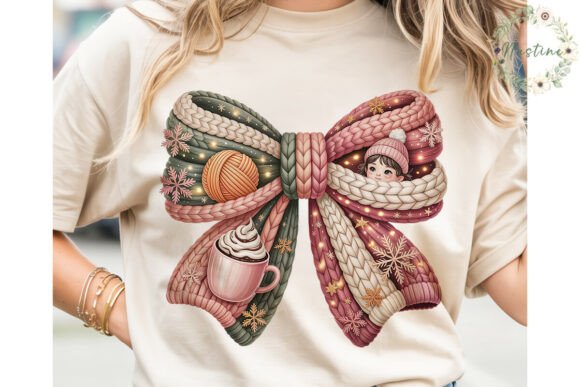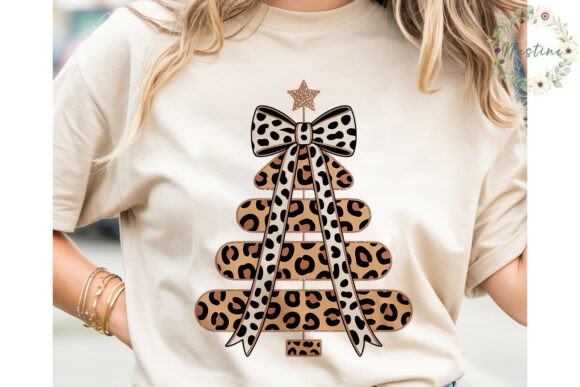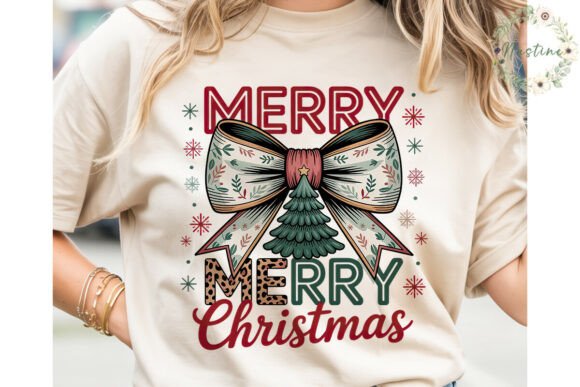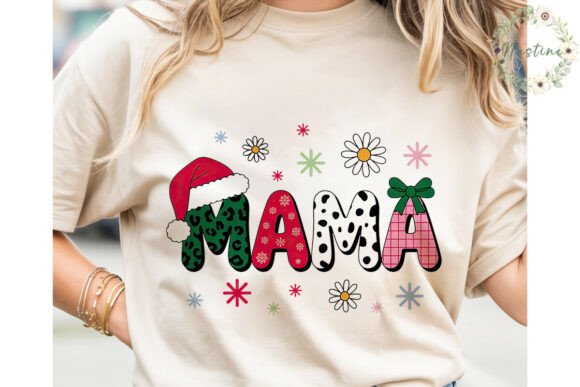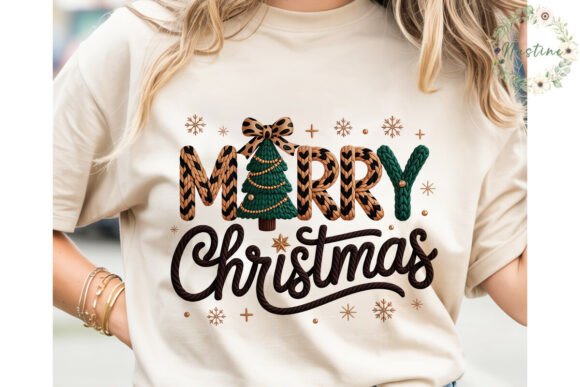
Leopard Knit Christmas Tree PNG Clipart
As a designer who spends half my life staring at stitch charts and the other half troubleshooting tension issues on vintage machines, I approach every new digital asset with a healthy dose of skepticism. The market is flooded with clipart that looks beautiful on a screen but falls apart when converted into thread. That is why evaluating Leopard Knit Christmas Tree PNG Clipart requires more than just a quick glance; it demands a practical assessment of how this illustration translates from a flat digital file into a tangible, wearable piece of art.
When I first opened the file, the immediate impression was one of cozy, modern whimsy. The "knit" aesthetic suggests texture—something soft, warm, and inviting—while the leopard print adds a touch of bold, contemporary edge. This isn’t your grandmother’s traditional red-and-green tree. It feels like something you would see in a high-end boutique or a curated Etsy shop targeting millennial homeowners who love holiday decor with a twist. For designers looking to create unique handmade products, this design offers a distinct visual personality that stands out against the sea of generic clipart.
Visual Appeal and Mood
The mood created by Leopard Knit Christmas Tree PNG Clipart is undeniably festive yet fashion-forward. The juxtaposition of the organic, animal-print pattern with the structured silhouette of a Christmas tree creates a visual tension that is quite pleasing. In terms of layout, the design appears balanced, making it versatile for various placements. Whether centered on a sweatshirt chest, placed off-center on a tote bag, or used as a focal point on an embroidered patch, the shape holds its own.
For the creative entrepreneur, this specific aesthetic bridges the gap between seasonal decor and year-round style. A leopard print motif doesn't have to be strictly limited to December if styled correctly, though the tree shape firmly anchors it in the holiday category. This makes it an excellent choice for holiday embroidery collections that aim to feel fresh rather than cliché. The visual weight of the design suggests it will photograph well, which is crucial for Etsy sellers and small business owners relying on strong imagery to drive sales.
Real-World Application: From Screen to Stitch
To truly understand the value of this design, we need to look at it through the lens of production. Imagine preparing a custom order for a client who wants a personalized gift for their niece. You decide to use a heavy cotton canvas tote bag design. Placing Leopard Knit Christmas Tree PNG Clipart here works beautifully because the sturdy fabric can support the visual complexity of the print without warping. The contrast between the dark threads required for the leopard spots and the lighter background of the knit pattern would pop effectively on neutral-colored bags.
Alternatively, consider using this design for sweatshirt embroidery. The knit texture implied by the artwork mimics the fabric itself, creating a cohesive look. However, this is where careful planning comes in. If you are digitizing this as an applique design, you might use a contrasting fabric for the leopard print section and a solid color for the tree outline. This technique adds depth and reduces the number of stitches needed compared to a full fill stitch, resulting in a softer hand feel on the garment.
For smaller items like embroidered patches or caps, the design’s clarity becomes paramount. The leopard print elements must remain distinct even at a smaller scale. If the details become muddy, the "knit" illusion is lost, and it simply looks like a messy blob. Therefore, this design shines best when sized appropriately, allowing the eye to register both the pattern and the overall shape simultaneously.
Technical Considerations and Fabric Compatibility
No discussion of embroidery is complete without addressing the technical realities of stitching. Leopard Knit Christmas Tree PNG Clipart presents specific challenges and opportunities depending on the substrate. On textured fabrics like chenille or thick wool, the design might get lost. The intricate lines of the leopard print could blend into the nap of the fabric, reducing legibility. In such cases, a smooth backing fabric or a stabilizer layer is essential to provide a clean canvas for the machine.
Stretchy fabrics, such as jersey knits used for baby embroidery projects, require extra caution. The density of the leopard print areas could cause puckering if the underlay stitches are not optimized. Designers must check the stitch density carefully. If the design calls for too many stitches per square inch, the fabric may distort, ruining the professional finish. Testing on scrap fabric is non-negotiable here. It allows you to adjust the thread colors and stabilize the hoop properly before committing to the final product.
Dark fabrics present another variable. Leopard print often relies on light-on-dark or dark-on-light contrast. If you are stitching this onto a black hoodie, you will need bright, reflective threads for the highlights to ensure the "knit" texture is visible. Conversely, on white fabric, darker threads will define the shape sharply. Always inspect the design in a black-and-white mockup to gauge contrast levels before purchasing or downloading the file.
Where to Use Carefully
While this design is versatile, there are places where it should be used sparingly or avoided altogether:
- Small Hoop Sizes: If the design is scaled down too much, the leopard spots may merge into a single mass of color, losing the intended pattern effect.
- Curved Surfaces: Applying this to a cap crown requires precise mapping. The flat nature of the PNG might not account for the curvature, leading to distortion at the edges.
- Dense Stitch Areas: Avoid placing large blocks of fill stitch directly next to delicate running stitches without proper spacing, as this can cause thread breaks.
- Frequent Washing: For items like kitchen towels or aprons that undergo heavy laundering, ensure the design is anchored well. Loose ends in complex patterns can snag and unravel over time.
Impact on Product Value and Branding
Using a distinctive design like Leopard Knit Christmas Tree PNG Clipart elevates the perceived value of your finished product. Customers are increasingly drawn to items that feel curated and unique. A standard snowman clipart screams "mass-produced," whereas a stylish, patterned tree suggests thoughtfulness and trend-awareness. This boosts customer trust and engagement, as buyers feel they are investing in a piece of art rather than just a commodity.
For commercial embroidery projects, consistency is key. If you are building a brand around modern, chic holiday goods, this design fits seamlessly into that narrative. It helps maintain brand consistency across different product lines, from pillow covers to kitchen towels. When customers recognize your style, they are more likely to return for future purchases, especially during the peak holiday season.
Final Designer Notes
Before incorporating Leopard Knit Christmas Tree PNG Clipart into your workflow, remember that a PNG is a visual guide, not a stitched reality. You must verify the hoop size limitations and ensure the file format is compatible with your digitizing software. Check the licensing terms thoroughly if you plan to sell digital embroidery files or physical merchandise derived from this image. Commercial rights vary widely, and overlooking them can lead to legal issues.
Ultimately, this design offers a compelling blend of warmth and edge. It is ideal for makers who want to break away from traditional holiday aesthetics while still delivering a festive message. By paying attention to fabric choice, stitch quality, and proper stabilization, you can transform this digital illustration into a stunning finished product that delights customers and showcases your skills as a designer. Test it, tweak it, and make it your own.