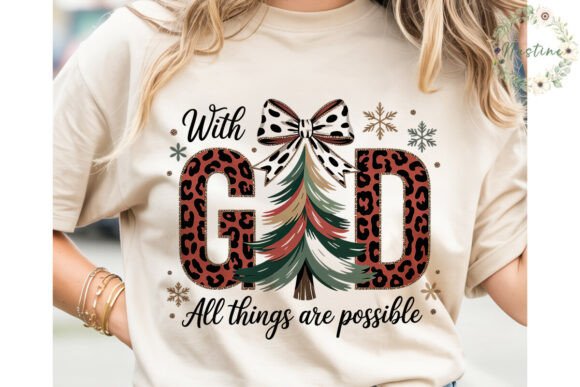
Christmas OCD Sublimation Design Review
As a designer who spends more time than I care to admit staring at stitch density charts and testing thread tension, I approach every new digital asset with a mix of hope and skepticism. The market is flooded with generic holiday motifs, so when I encountered the Christmas OCD Sublimation Design, I was curious about its potential for actual production use. This isn't just another clip art file; it feels like a deliberate piece of Illustrations crafted with specific embroidery techniques in mind. After running some mental simulations on various garments and accessories, here is my practical breakdown of how this design performs in the real world.
First Impressions and Visual Personality
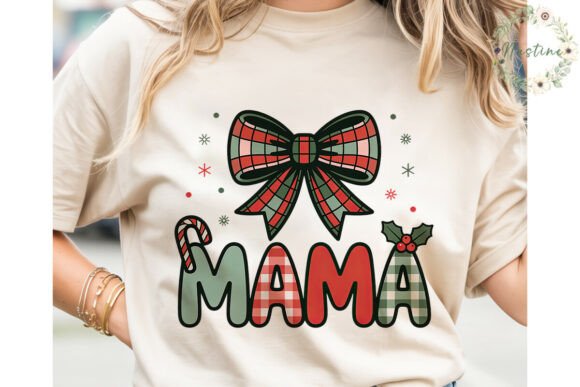
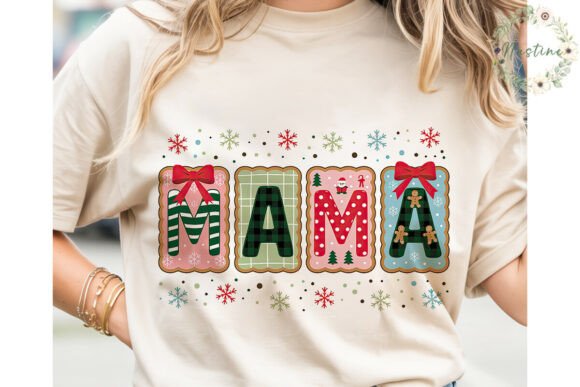
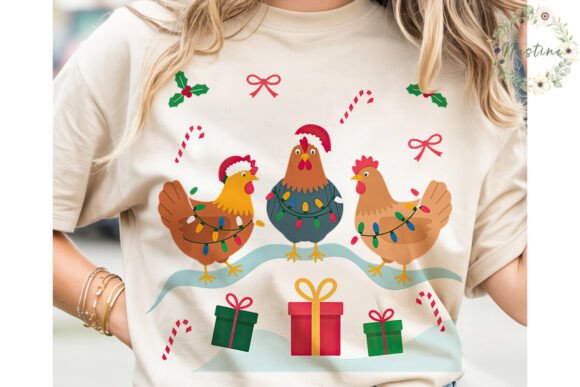
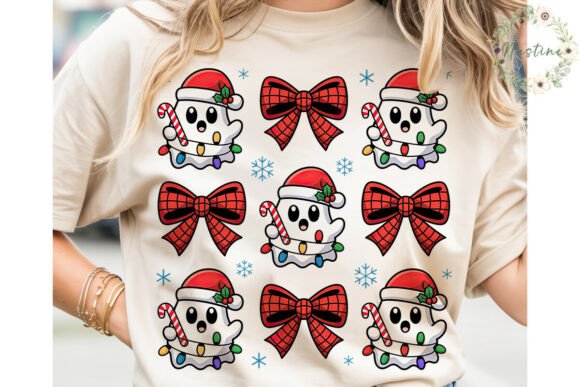
The moment you load the Christmas OCD Sublimation Design into your digitizing software, the layout strikes a balance between chaotic holiday energy and structured composition. The title itself suggests a humorous, slightly neurotic take on the season—perfect for the modern crafter who wants to inject personality into their handmade product line. Visually, the shapes are distinct, avoiding the muddy overlap that often plagues busy holiday designs. It has a bold visual personality that reads well even from a distance, which is crucial for items like tote bag design variations or large chest prints on sweatshirts.
The mood is playful but not childish. It avoids the overly saccharine aesthetic that saturates November and December markets. Instead, it leans into a quirky, relatable vibe that resonates with adults who appreciate humor in their decor and apparel. For an Etsy seller looking to stand out, this kind of targeted emotional connection is far more valuable than a generic snowman motif. It feels like a design that invites a smile before it even hits the hoop.
Real-World Application: Where It Shines
I have been thinking about where this embroidery project would fit best in a small business inventory. My first instinct is custom apparel, specifically heavyweight cotton sweatshirts or hoodies. The design’s graphic nature translates beautifully to thicker fabrics, where the texture of the material complements the bold lines of the artwork. Imagine a cream-colored crewneck with this design centered on the chest—it immediately elevates the garment from basic to boutique.
Beyond apparel, this design is a strong candidate for kitchen textiles. A tea towel or apron featuring this holiday embroidery theme could be a fantastic gift item. The humor aligns well with the chaos of holiday cooking, making it a perfect conversational piece. Similarly, for nursery decor or baby gifts, if the details are softened appropriately, it could work as a unique accent on a onesie or a blanket border, though one must be cautious with fabric choice there.
For the craft business owner, this design also lends itself well to embroidered patches. If you offer iron-on or sew-on patches as add-ons for denim jackets or backpacks, this design provides enough detail to justify a higher price point while remaining clear and legible. It works as a commercial embroidery asset because it tells a story quickly, which is essential for impulse buys at craft fairs or online listings.
Technical Performance and Stitch Considerations
When evaluating any machine embroidery design, we have to look under the hood. The Christmas OCD Sublimation Design appears to utilize a mix of stitch types effectively. The text elements likely rely on clean satin stitch work, which requires precise edge trimming to avoid fuzziness. If the satin columns are too wide, they can pucker on lightweight fabrics; if too narrow, they may lose definition. I recommend checking the stitch density carefully. High-density areas need adequate stabilizer support to prevent the fabric from distorting during stitching.
The fill stitches, assuming they cover larger background areas, should be reviewed for directionality. Properly angled fills can add depth and shadow, giving the design a three-dimensional feel that flat printing cannot replicate. However, excessive fill can make a garment stiff and heavy, particularly on baby clothes or delicate fabrics. For a balanced result, ensure the digitizer has used appropriate tear-away or cut-away stabilizers based on the final fabric type. If you are working with stretchy knits, a cut-away stabilizer is non-negotiable to maintain the integrity of the design over time.
Thread color selection is critical here. The contrast between the thread and the base fabric will determine whether the design pops or gets lost. On dark fabrics, light or metallic threads might be necessary, but this can increase the cost of goods. On light fabrics, darker threads provide sharp definition. Always test your thread colors against your actual inventory swatches, as screen colors rarely match physical thread exactly.
Where to Exercise Caution
While this design is versatile, it is not without its challenges. Small hoop sizes require careful review of the finer details. If the design includes tiny lettering or intricate decorative accents, shrinking it down to fit a 4x4 hoop may result in loss of clarity or fused stitches. I advise against using this on very thin fabrics, such as sheer silks or lightweight polyesters, unless you are using a high-quality water-soluble backing to prevent show-through.
Curved surfaces, like the front panel of a baseball cap, present another challenge. While possible, digitizing for curves requires specific techniques to ensure the design lays flat. If the design has long straight lines or sharp corners, they may distort awkwardly on a rounded surface. Additionally, textured fabrics like bouclé wool or heavy terry cloth can obscure the fine details of the design. In these cases, the visual appeal may suffer, and the finished product might look cluttered rather than crisp.
Product Value and Customer Perception
In the world of handmade goods, presentation is everything. A well-executed finished product signals professionalism and builds customer trust. Using a design like the Christmas OCD Sublimation Design allows you to position your items as premium or niche. Customers are increasingly drawn to products that reflect their personal identity or sense of humor. This design offers that "inside joke" quality that drives engagement on social media platforms like Instagram and Pinterest.
For personalized gift markets, the versatility of this design means it can be adapted for various recipients. Whether it’s for a friend who loves baking, a coworker who appreciates witty decor, or a family member who enjoys festive chaos, the design has broad appeal. When creating printable mockups for your Etsy listings, ensure you showcase the design on different backgrounds and lighting conditions to give buyers a realistic expectation of the texture and finish. Transparency in your photos reduces returns and increases buyer confidence.
Practical Designer Notes Before You Start
Before committing to a full production run, follow these steps to ensure success:
- Test on Scrap Fabric: Always stitch out a sample on the exact fabric you plan to sell. Check for puckering, thread breaks, and stability.
- Review Stitch Density: Ensure the density is appropriate for the fabric weight. Too dense causes stiffness; too sparse looks weak.
- Confirm Hoop Size: Verify that the design fits your intended product dimensions. Resize only if necessary, and check that aspect ratios remain intact.
- Inspect Small Details: Zoom in on the digitized file. Are there any floating stitches or unnecessary jumps? Clean up minor errors if your software allows.
- Check Licensing: Confirm whether you have commercial rights to sell finished items made from this digital embroidery file. Some licenses restrict the number of units or require attribution.
- Black and White Mockup: View the design in grayscale to check contrast levels. If it looks muddy in black and white, it may lack sufficient contrast in color.
Ultimately, the Christmas OCD Sublimation Design is a strong contender for designers looking to add a touch of humor and sophistication to their holiday collections. It balances visual interest with technical feasibility, provided you respect the limitations of the medium. By paying attention to fabric choice, stabilizer application, and thread selection, you can transform this digital asset into a tangible, beloved handmade product that stands out in a crowded market. It is a smart addition to your design assets library, ready to bring some festive joy—and a little controlled chaos—to your customers’ doors.